Best Age to Neuter a Dog: What the Research Says in 2026
April 7, 2026 · 8 min read
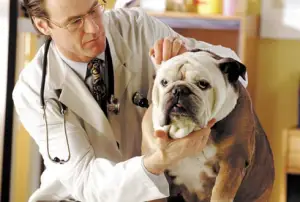
Twenty years ago, the standard veterinary advice was simple: neuter at six months, no exceptions. Every shelter, every vet clinic, and every spay-neuter campaign pushed the same message. And for population control, that advice made sense — it prevented unwanted litters and reduced the burden on overcrowded shelters. But the science has evolved dramatically since then, and the conversation has gotten a lot more nuanced. We now know that the best age to neuter a dog depends on their breed, their size, their sex, and their individual health profile. The blanket six-month recommendation is outdated for many dogs, particularly large and giant breeds.
Let me walk you through what the current research actually says so you can make an informed decision with your veterinarian.
The Early vs. Late Neutering Debate
The core of the debate comes down to hormones and growth plates. Sex hormones — testosterone in males, estrogen and progesterone in females — do far more than drive reproductive behavior. They signal the growth plates in a dog's bones to close at the appropriate time, they influence joint and ligament development, they affect metabolic rate, and they play a role in cancer risk. When you remove those hormones before the dog has finished growing, the growth plates stay open longer than nature intended, which can lead to altered bone structure, increased joint stress, and a higher incidence of certain orthopedic problems.
This does not mean early neutering is always wrong. For small breeds that finish growing quickly and have low rates of orthopedic disease, early neutering carries minimal additional risk. But for large and giant breeds whose growth plates do not close until 14 to 24 months of age, the timing decision carries real consequences.
What the UC Davis Research Shows
The most comprehensive research on this topic comes from the University of California, Davis, where Dr. Benjamin Hart and his team studied over 100,000 dogs across 35 breeds between 2013 and 2024. Their findings, published across multiple peer-reviewed papers, have fundamentally changed how many veterinarians approach the neutering conversation. The key findings include:
- Joint disorders increased significantly in large-breed dogs neutered before 12 months. Golden Retrievers neutered before 12 months had two to five times the rate of hip dysplasia, cranial cruciate ligament tears, and elbow dysplasia compared to intact dogs or those neutered after 12 months.
- Labrador Retrievers neutered before six months showed a significant increase in joint disorders, though the effect was less dramatic than in Goldens.
- German Shepherds neutered before 12 months had notably higher rates of cranial cruciate ligament injuries and, in females, urinary incontinence.
- Small breeds under 20 pounds showed no significant increase in joint disorders or cancers regardless of when they were neutered.
- Certain cancers — particularly lymphoma and mast cell tumors — showed increased rates in some breeds neutered early, though this varied significantly by breed and sex.
The takeaway is not that neutering is bad. It is that timing matters, and the optimal timing varies by breed and size.
Size-Specific Recommendations
Small Breeds (Under 25 Pounds Adult Weight)
For small breeds like Yorkshire Terriers, Dachshunds, Chihuahuas, and Miniature Poodles, the traditional six-month timeline remains reasonable. These dogs reach skeletal maturity quickly — most have closed growth plates by 8 to 10 months — and the UC Davis research found no significant increase in joint disorders or cancers associated with early neutering in this group. Neutering between six and nine months is generally safe and effective for small breeds.
Medium Breeds (25–50 Pounds Adult Weight)
Medium-sized dogs like Beagles, Bulldogs, Cocker Spaniels, and Australian Cattle Dogs fall into a gray area. The research is less definitive for this size range, but most veterinary orthopedic specialists now recommend waiting until at least 9 to 12 months for medium breeds. This allows the majority of skeletal growth to complete before removing the hormonal influence on bone development.
Large and Giant Breeds (Over 50 Pounds Adult Weight)
This is where timing is most critical. For large breeds like Golden Retrievers, Labrador Retrievers, German Shepherds, Rottweilers, and Standard Poodles, the current evidence-based recommendation is to wait until at least 12 to 18 months for males and to discuss with your vet whether to wait until after the first heat cycle for females. For giant breeds like Great Danes, Mastiffs, and Saint Bernards — dogs that do not reach skeletal maturity until 18 to 24 months — waiting even longer may be appropriate. The goal is to allow the growth plates to close naturally under the influence of sex hormones before removing those hormones from the equation.
Benefits of Neutering
Despite the nuance around timing, neutering still offers clear benefits when done at the appropriate age:
- Eliminates the risk of testicular cancer in males — one of the most common cancers in intact older dogs.
- Greatly reduces the risk of prostate disease in males, including benign prostatic hyperplasia and prostatitis.
- Reduces roaming behavior driven by the urge to find a mate. Intact males are far more likely to escape yards, get hit by cars, or get into fights.
- Reduces marking and some forms of aggression. Not all aggression is hormone-driven, but territorial marking and inter-male aggression often decrease significantly after neutering.
- Prevents unwanted litters. Even responsible owners can have accidents, and every unplanned litter adds to the shelter population.
Risks of Early Neutering in Large Breeds
The risks are specific and well-documented at this point:
- Increased joint disorders. Hip dysplasia, elbow dysplasia, and cranial cruciate ligament tears are all more common in large-breed dogs neutered before their growth plates close.
- Altered bone growth. Without the signal to close growth plates at the right time, bones can grow longer than intended, changing the angles of joints and increasing mechanical stress. This is why early-neutered large breeds often appear leggy or gangly compared to intact dogs of the same breed.
- Increased obesity risk. Neutering reduces metabolic rate by an estimated 20 to 30 percent. Dogs neutered early may be more prone to weight gain throughout their lives, which in turn increases the risk of joint problems, diabetes, and heart disease. A solid diet becomes even more important — see our guide to dog supplements that support joint health and healthy weight.
- Possible increased cancer risk in certain breeds. The UC Davis data showed elevated rates of lymphoma in Golden Retrievers and hemangiosarcoma in some breeds when neutered early, though more research is needed to confirm these associations across the broader population.
Breed-Specific Guidance
While the size-based guidelines above cover most situations, a few breeds have enough data to warrant specific recommendations:
- Golden Retrievers: Wait until at least 12 months for males, and consider waiting until after the first heat for females. This breed showed the most dramatic increases in joint and cancer risk with early neutering.
- Labrador Retrievers: Wait until at least 9 to 12 months for males. Females showed increased cancer risk when spayed before 12 months in the UC Davis study.
- German Shepherds: Wait until 12 to 18 months for both sexes. This breed is already predisposed to hip and elbow dysplasia, and early neutering compounds the risk significantly.
- Rottweilers: Wait until at least 12 months. Some orthopedic specialists recommend 18 months for this breed due to their heavy build and joint vulnerability.
- Small breeds (Yorkies, Chihuahuas, Toy Poodles): Six to nine months remains appropriate. No significant additional risk from early neutering.
Recovery Tips
Regardless of when you neuter, proper recovery is essential. Most dogs bounce back quickly, but the first 10 to 14 days require careful management:
- Restrict activity. No running, jumping, or rough play for at least 10 days. Leash walks only for bathroom breaks. This is the hardest part with a young dog, but it prevents incision complications.
- Use a recovery suit instead of the cone. Most dogs tolerate a recovery suit much better than the traditional plastic cone. It covers the incision, prevents licking, and allows the dog to eat, drink, and move normally without the stress and disorientation of a cone.
- Provide a comfortable recovery bed. A quality orthopedic dog bed supports healing joints and keeps your dog comfortable during the days of enforced rest. This is especially important for large breeds recovering from surgery.
- Monitor the incision daily. Mild swelling and redness are normal for the first 48 hours. Call your vet if you see discharge, significant swelling, opening of the incision, or if your dog develops a fever or stops eating.
- Follow medication instructions. Give all prescribed pain medication on schedule, even if your dog seems fine. Dogs hide pain, and staying ahead of it produces a smoother recovery.
- Keep the incision dry. No baths or swimming for at least 14 days post-surgery.
The Bottom Line
The best age to neuter your dog is not a one-size-fits-all answer anymore. Small breeds can safely be neutered at six to nine months with minimal additional risk. Medium breeds benefit from waiting until 9 to 12 months. Large and giant breeds should ideally wait until 12 to 18 months or even longer, allowing their growth plates to close naturally before removing the hormonal signals that guide skeletal development. Talk to your veterinarian about your specific dog — their breed, size, lifestyle, and health history all factor into the decision.
What I tell every puppy buyer who asks me this question is the same thing: there is no wrong choice here as long as it is an informed choice. The fact that you are researching this means you are already ahead of most owners. Work with your vet, consider your dog as an individual, and make the decision that fits your situation. That is the best any of us can do.
As an Amazon Associate, BabyMyDog earns from qualifying purchases. Prices are approximate and may change. This does not influence our recommendations.