Best Slow Feeder for Labs in 2026: Stop the Inhaling
April 7, 2026 · 7 min read
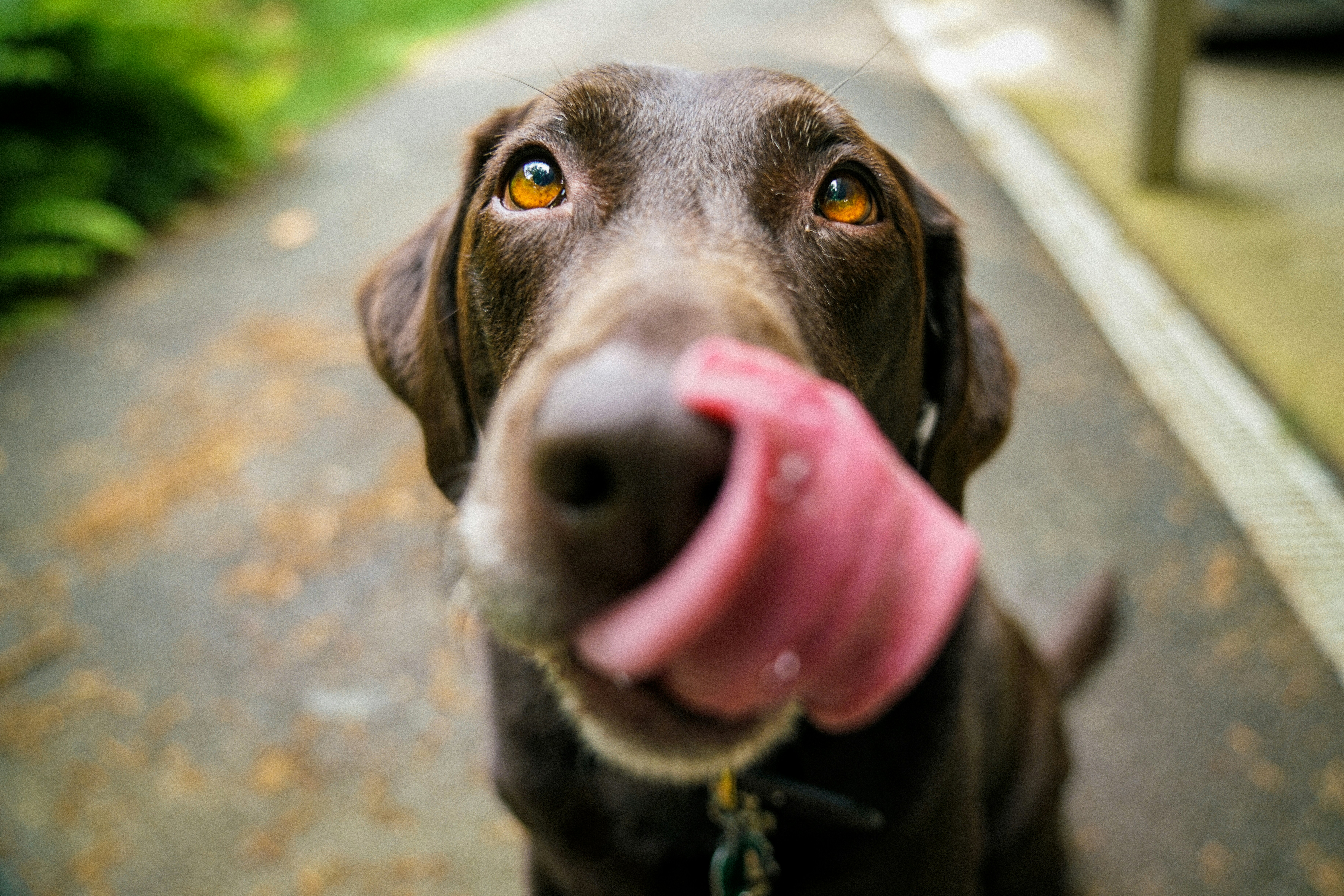
If you have ever watched a Labrador Retriever eat dinner, you know the entire experience lasts approximately 11 seconds. The food hits the bowl, the bowl slides across the floor, and by the time you turn around the dog is licking the empty surface and staring at you like nothing happened. Then the burping starts. Possibly the vomiting. And the dog looks at you again, hoping for round two.
This is not just comical — it is a genuine health concern. Rapid eating is the number one modifiable risk factor for bloat (gastric dilatation-volvulus or GDV), a life-threatening emergency where the stomach fills with gas and can twist on itself. Labs are among the breeds most susceptible to bloat. Rapid eating also causes regurgitation, poor nutrient absorption, obesity (the brain does not register fullness when food is consumed in seconds), and chronic gas that makes living with your Lab in a closed room unpleasant for everyone.
How Much Slower Do They Actually Eat?
Studies on canine feeding behavior show that maze-pattern slow feeders extend mealtime by 5 to 10 times compared to a standard bowl. A Lab that finishes a standard bowl in 15 seconds will take 2 to 3 minutes with a basic slow feeder and 5 to 10 minutes with a more challenging puzzle feeder. That extra time means the stomach fills gradually, gas production is reduced, and the brain has time to register satiety before the dog is looking for more.
Our Top 5 Picks
1. Outward Hound Fun Feeder Slo Bowl — Best Overall
The Outward Hound Fun Feeder ($11) is the most popular slow feeder on Amazon for good reason. The maze-pattern ridges force your Lab to work around obstacles to reach each piece of kibble. BPA, PVC, and phthalate-free, with a non-slip base that actually stays put (most Labs try to flip or push their bowls). The large size holds up to 4 cups. Start with the Flower pattern for beginners — it is challenging enough to slow eating significantly without being so hard that your Lab gives up. For our full bowl and feeder guide, see our best dog bowls roundup.
2. AWOOF Snuffle Mat — Best Snuffle Mat
A snuffle mat hides kibble in dense fleece strips, turning mealtime into a foraging exercise. The AWOOF Snuffle Mat ($17) engages your Lab's nose as well as their mouth, providing genuine mental stimulation alongside the physical slowdown. Scatter a full meal across the mat and your Lab will spend 10 to 15 minutes nosing through the fabric to find every piece. Machine washable and non-slip. This is my top recommendation for Labs who blow through maze bowls too quickly — the snuffle mat is the next level of difficulty.
3. LickiMat Classic Soother — Best Lick Mat
For wet food, raw food, or spread-based meals, the LickiMat Classic ($10) forces slow consumption through repetitive licking. Spread wet food, peanut butter, yogurt, or mashed pumpkin across the textured surface and your Lab will spend 10 to 20 minutes licking every groove clean. The repetitive licking also releases calming endorphins, making this an excellent tool for anxious Labs or crate training. Freeze the mat with food on it for an even longer-lasting challenge. Dishwasher safe.
4. West Paw Toppl — Best Puzzle Feeder
The West Paw Toppl ($16) is a stuffable rubber toy with a wider opening than a KONG, making it easier for beginners while still requiring work to extract food. Stuff it with kibble mixed with a small amount of wet food, freeze it, and hand it to your Lab. The open design means they can see and smell the food but have to manipulate the toy to get it out. Buy two sizes and interlock them for an advanced challenge. Made in the USA from BPA-free Zogoflex material. For more enrichment options, browse our best puzzle toys guide.
5. Neater Pets Slow Feed Bowl Insert — Best Budget
If you already own a standard bowl and do not want to replace it, the Neater Pets Slow Feed Insert ($8) drops into any bowl 6.5 inches or wider and creates obstacles that slow eating. It is the cheapest way to turn any existing bowl into a slow feeder. The food-grade silicone is dishwasher safe and BPA-free. It is not as effective as a purpose-built maze bowl, but it is a solid entry point if you are not sure whether your Lab will tolerate a slow feeder.
Transitioning Your Lab to a Slow Feeder
Some Labs get frustrated when they first encounter a slow feeder. Here is how to make the transition smooth:
- Start with the easiest pattern or a bowl insert before graduating to harder puzzles.
- For the first few meals, only put half the normal portion in the slow feeder and the rest in their regular bowl. Gradually shift the ratio.
- Stay nearby during the first few meals to supervise. Some Labs try to flip or break slow feeders out of frustration.
- Praise them when they work at it calmly. Labs respond well to encouragement during novel experiences.
- If your Lab gives up entirely, try a different pattern. Some dogs do better with ridges than mazes, or vice versa.
Slow Feeders + Portion Control = Weight Management
Combining a slow feeder with measured portions is the most effective one-two punch for Lab weight management. The slow feeder gives the brain time to register fullness, and the measured portions prevent overeating. Pair this with our food recommendations in the best dog food guide and you have a complete nutrition strategy for keeping your Lab lean and healthy.
For the full Labrador breed profile, visit our Labrador Retriever breed guide.
As an Amazon Associate, BabyMyDog earns from qualifying purchases. Prices are approximate and may change. This does not influence our recommendations.