English Bulldog Care Guide: What Every Owner Needs to Know
April 6, 2026 · 8 min read
This post contains affiliate links. We may earn a small commission from qualifying purchases at no extra cost to you. Learn more.
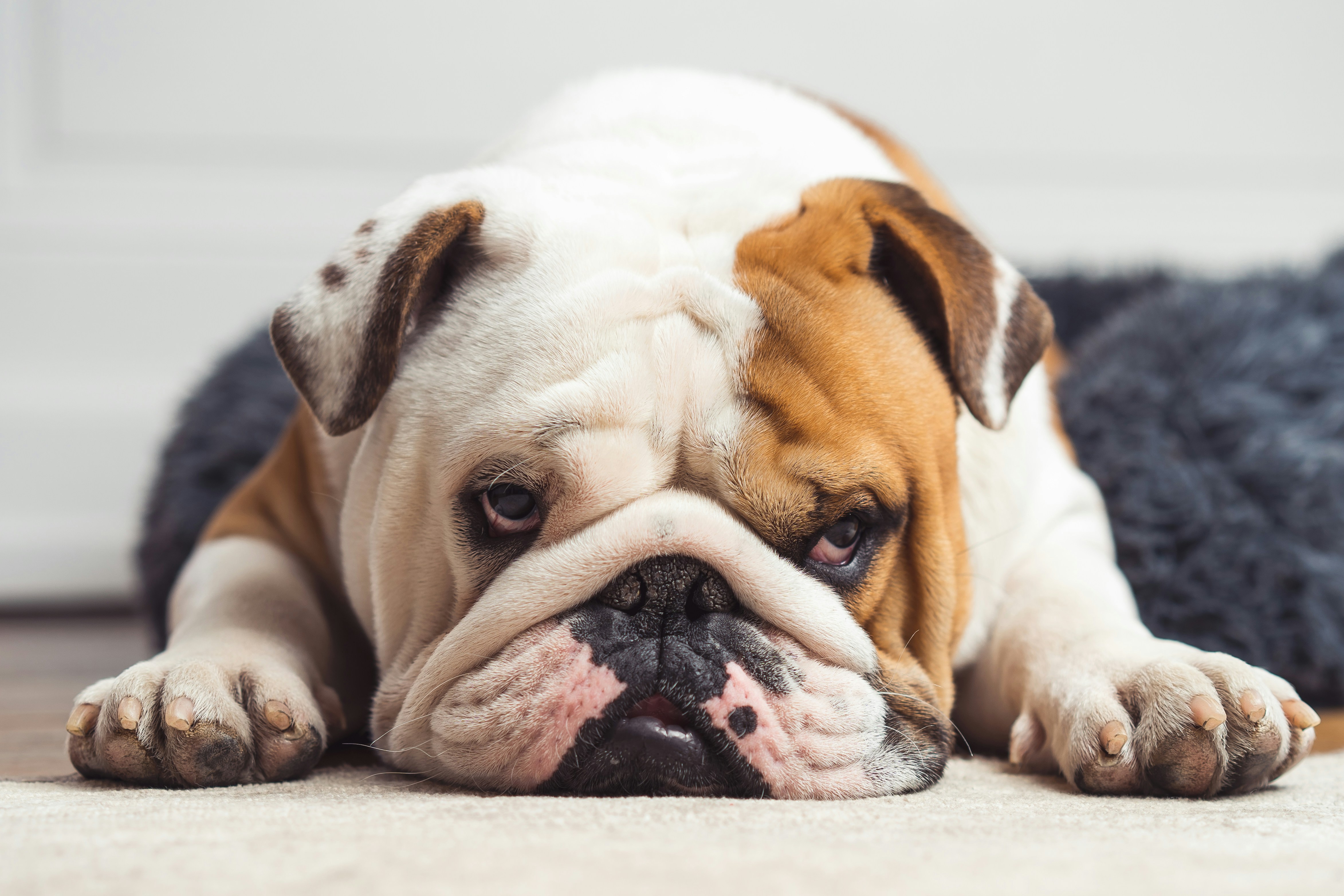
If you've ever been greeted at the door by an English Bulldog doing that full-body wiggle they're famous for, you already know there's nothing quite like it. I've been breeding and raising English Bulldogs for years, and I can tell you from experience — these dogs will absolutely ruin you for every other breed. In the best way possible. But owning a bulldog isn't exactly like owning a Lab or a Golden. They've got some quirks, some genuine health considerations, and some care routines that are unique to the breed. This guide covers everything I wish someone had told me before I brought my first bulldog home.
Why Bulldogs Are Amazing Family Dogs
Let's start with the good stuff, because there's plenty of it. English Bulldogs are one of the most loyal, gentle, and genuinely funny breeds you'll ever meet. They bond deeply with their families and are incredible with kids. I've watched my bulldogs tolerate toddlers climbing on them, pulling their ears, and using them as pillows — all with the patience of a saint and a wagging nub of a tail.
They're also surprisingly low maintenance when it comes to exercise. You don't need a giant backyard or three-mile daily runs. Bulldogs are perfectly happy with a couple of short walks and some indoor playtime. They're apartment-friendly, neighbor-friendly, and couch-friendly. In fact, "couch-friendly" might be an understatement — they'll claim the best seat in the house within a week of coming home.
Their personalities are second to none. Every bulldog I've raised has had this stubborn, goofy, utterly charming character that makes you laugh daily. They snore, they grunt, they make noises you didn't know a dog could make, and somehow it all just adds to their charm.
The Truth About Bulldog Health
I'm not going to sugarcoat this part, because I think every potential bulldog owner deserves honesty. English Bulldogs are a brachycephalic breed, meaning they have that adorable flat face — but that flat face comes with some real health implications. Their shortened airways can cause breathing difficulties, especially during exertion or in hot weather. You'll hear snoring, snorting, and occasional reverse sneezing, and while most of it is normal, it's something to monitor.
Skin fold infections are probably the most common issue I see. Those cute wrinkles trap moisture, dirt, and bacteria if they're not cleaned regularly. Joint problems are another reality — bulldogs are prone to hip dysplasia and patellar luxation. Cherry eye (a prolapsed tear gland that looks like a red bump in the corner of the eye) pops up in some puppies, and allergies are extremely common in the breed, showing up as itchy skin, ear infections, or digestive issues.
Here's the thing though — none of this should scare you away. It should prepare you. A well-bred bulldog from health-tested parents, combined with proper care and a good vet relationship, can live a happy, comfortable life. Most bulldog owners will tell you the love you get back is worth every bit of extra care. If you're considering the breed, check out our full English Bulldog breed guide for even more details.
Heat, Exercise, and Swimming Safety
This section could genuinely save your bulldog's life, so please take it seriously. Bulldogs overheat fast. Their compromised airways mean they can't pant efficiently enough to cool themselves down the way other dogs can. On hot days, even a short walk can become dangerous. I keep my walks to early morning or late evening during summer, and I always carry water.
Exercise should be moderate — two short walks of 15 to 20 minutes are usually plenty. If your bulldog starts panting heavily, sits down and refuses to move, or their tongue turns a dark red or purple color, get them into air conditioning immediately and offer cool (not ice cold) water.
And here's the big one: English Bulldogs cannot swim.I can't stress this enough. Their heavy front-end, short legs, and flat face make it physically impossible for most of them to stay afloat. Never leave a bulldog unattended near a pool, pond, lake, or even a bathtub with deep water. If you want them near water, invest in a well-fitted life vest and supervise every single second.
A cooling mat is one of the best investments you can make for a bulldog. I keep one in every room during summer, and my dogs gravitate to them naturally.
Wrinkle and Skin Care Routine
If there's one care routine that separates bulldog owners from everyone else, it's wrinkle cleaning. Those adorable face folds need to be cleaned two to three times per week — some dogs need it daily, depending on how deep their wrinkles are and how much moisture gets trapped in there.
My routine is simple: I use wrinkle wipesto clean between every fold, making sure I get into the nose rope (that big fold over the nose) and the folds around the tail pocket. After wiping, I dry the area thoroughly with a soft cloth. Moisture left behind is the enemy — that's what leads to yeast infections and bacterial growth.
Watch for redness, a funky smell, or brown discharge. Those are signs an infection is brewing, and you'll want to see your vet for a medicated wipe or cream. Prevention is so much easier than treatment, so stay on top of it. I also recommend checking their ears weekly, as bulldogs are prone to ear infections too. The same wipe-and-dry approach works well for ears. For breeders raising multiple bulldogs, the chlorhexidine wipes and skin-fold cleansers stocked through Revival Animal Healthare the same formats most bulldog kennels use — meaningfully cheaper per ounce than retail bottles.
Feeding Tips for Bulldogs
Bulldogs will eat everything in front of them and then look at you like they haven't been fed in days. Don't fall for it. Portion control is absolutely essential with this breed because they gain weight incredibly easily, and extra weight puts dangerous pressure on their already-compromised joints and airways.
I feed my bulldogs measured meals twice a day — no free-feeding, ever. Free-feeding (leaving food out all day) is a fast track to an overweight bulldog, and an overweight bulldog is an unhealthy bulldog. Talk to your vet about the right calorie count for your dog's age, size, and activity level. Most adult bulldogs do well on about two to three cups of high-quality food per day, split into two meals.
Look for foods with limited ingredients if your bulldog has allergies, and avoid foods with lots of fillers. Slow-feeder bowls are also a great idea — bulldogs tend to inhale their food, which can lead to bloating and digestive issues. Browse our best product recommendations for food and feeding accessories.
Best Products Every Bulldog Owner Needs
After years of raising bulldogs, these are the products I genuinely can't live without:
- Wrinkle Wipes — Essential for keeping those face folds clean and infection-free. I go through these like crazy and always keep a backup pack on hand.
- Cooling Mat — A must-have for summer months. Self-cooling gel mats give your bulldog a comfortable place to chill when temperatures rise.
- Orthopedic Dog Bed — Bulldogs need proper joint support. A good orthopedic bed with memory foam can make a real difference, especially as they age.
Common Bulldog Myths — Debunked
I hear these all the time, and they drive me a little crazy. Let's set the record straight.
"Bulldogs are aggressive."Absolutely not. English Bulldogs are one of the gentlest, most affectionate breeds out there. They were originally bred for bull-baiting centuries ago, but modern bulldogs have been bred for companionship for well over a hundred years. The breed standard literally calls for a "kind and courageous" temperament. If anything, they're more likely to lick a stranger than growl at one.
"Bulldogs are lazy."I prefer the word "efficient." Bulldogs are smart enough to conserve energy. They don't see the point in running laps around the yard when they could be napping in a sunbeam. But when they want to play, they play hard — you'll see zoomies, tug-of-war battles, and full-speed waddle-runs that are absolutely hilarious. They just don't feel the need to do it for hours on end.
"Bulldogs are dumb."They're not dumb — they're stubborn. There's a massive difference. A bulldog understands exactly what you're asking; they just decide whether or not they feel like doing it. Training a bulldog requires patience, consistency, and high-value treats. Once you figure out what motivates them (usually food), you'll be surprised at how quickly they learn. They're just not going to perform tricks on command to impress your friends unless there's something in it for them.
Final Thoughts
English Bulldogs aren't the easiest breed to own, but they might just be the most rewarding. They'll make you laugh every single day, they'll follow you from room to room like a 50-pound shadow, and they'll love you with a loyalty that's hard to find anywhere else. The health stuff is real, the care routines take some effort, and your vet bills might be a bit higher than average — but ask any bulldog owner if they'd do it all again, and the answer is always the same.
If you're thinking about adding a bulldog to your family, do your homework on breeders, budget for quality care, and get ready for the best snoring companion you've ever had. Head over to our English Bulldog breed page for more information on the breed, or explore all our breed guides to find the perfect match for your family.