How Often Should I Bathe My Dog? A Breed-by-Breed Guide
April 7, 2026 · Grooming · 8 min read
By the BABYmy dog Team · Retired AKC breeder & U.S. military veteran
This post contains affiliate links. We may earn a small commission from qualifying purchases at no extra cost to you. Learn more.
"How often should I bathe my dog?" is one of the most common questions veterinarians hear, and the answer is almost never a simple number. Some dogs need a bath every week. Others thrive with a bath every three months. The right frequency depends on your dog's breed, coat type, skin condition, activity level, and even where they sleep at night. Bathing too often strips essential oils and causes dry, flaky skin. Bathing too rarely lets oils build up, traps allergens, and can lead to bacterial or yeast infections.
As a retired AKC breeder who has groomed hundreds of dogs across dozens of breeds, I've learned that a tailored bathing schedule is one of the simplest ways to keep your dog healthy and comfortable year-round. Here's everything you need to know.
Bathing Frequency by Coat Type
Short, Smooth Coats
Breeds like Beagles, Boxers, Dachshunds, and Bulldogshave short coats that don't trap much dirt but do produce natural oils that can develop a noticeable odor over time. These dogs generally need a bath every four to six weeks. Their coats dry quickly and rarely mat, making bath time straightforward. A quick towel-dry is usually all you need — no blow dryer required.
Double Coats
Golden Retrievers, Labrador Retrievers, Huskies, and German Shepherds have dense double coats with a water-resistant outer layer and a soft insulating undercoat. These dogs should be bathed every six to eight weeks, with thorough brushing sessions in between to remove loose undercoat and distribute natural oils. Bathing a double-coated dog more frequently than every four weeks can strip the oils that make their outer coat water-resistant, leaving them more vulnerable to cold and moisture.
Curly and Wire-Haired Coats
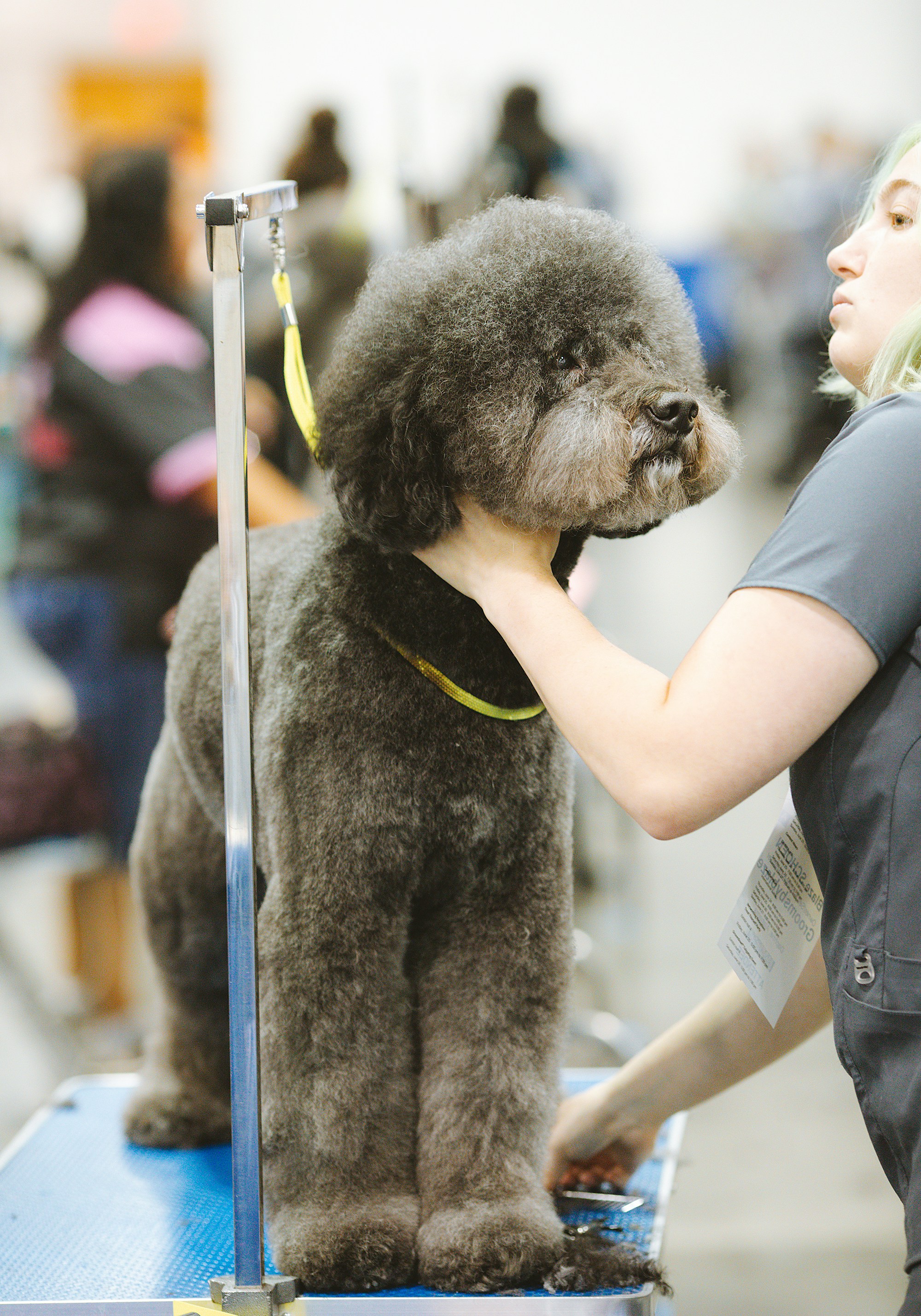
Poodles, Bichon Frises, Portuguese Water Dogs, and other curly-coated breeds need the most frequent bathing — typically every three to four weeks. Their hair (not fur) grows continuously like human hair and traps dirt, debris, and allergens in its tight curls. Without regular bathing and professional grooming every four to six weeks, curly coats mat quickly, pulling painfully on the skin and creating moist pockets where infections can develop.
Long, Silky Coats
Yorkshire Terriers, Maltese, Shih Tzus, and Afghan Hounds have flowing coats that look stunning when maintained but become tangled disasters when neglected. Bathe every three to four weeks, and brush thoroughly before the bath — water tightens existing tangles into solid mats that are nearly impossible to work out. Use a detangling spray before brushing and work from the ends up to minimize breakage.
Hairless and Minimal-Coat Breeds
Chinese Cresteds, Xoloitzcuintlis, and American Hairless Terriers lack the protective coat that other breeds have, so their exposed skin collects dirt, oil, and environmental irritants directly. These breeds often need weekly baths with a gentle, moisturizing shampoo followed by a light application of dog-safe skin lotion to prevent dryness and sunburn.
The Risks of Overbathing
Your dog's skin produces a layer of natural oils called sebum that protects against moisture loss, bacteria, and environmental irritants. Bathing too frequently strips this protective barrier, triggering a cycle of dryness, itchiness, and overproduction of oil as the skin tries to compensate. Signs of overbathing include flaky skin, excessive scratching, a dull coat, redness, and a paradoxical increase in odor as the skin's microbiome becomes imbalanced.
If your dog smells bad between baths, resist the urge to bathe more often. Instead, investigate the underlying cause. Common culprits include ear infections, dental disease, anal gland issues, yeast overgrowth in skin folds, and diet-related digestive problems. A veterinary checkup is more effective than extra shampoo.
Choosing the Right Dog Shampoo
Human shampoo is too acidic for dogs. Human skin has a pH of around 5.5, while dog skin ranges from 6.2 to 7.4. Using human products disrupts your dog's acid mantle, leaving them vulnerable to bacterial and fungal infections. Always use a shampoo formulated specifically for dogs.
For most dogs, Burt's Bees Oatmeal Shampoo for Dogs is our top recommendation. It's made with colloidal oatmeal and honey to soothe sensitive skin, is pH-balanced specifically for dogs, and contains no sulfates, colorants, or harsh chemicals. It rinses clean without residue and leaves a subtle, natural scent that won't overwhelm your dog's sensitive nose. At under $10 for a 16-ounce bottle, it's also one of the best values on the market. For breeders bathing entire litters or shelter operators running daily intake baths, Revival Animal Health's grooming category stocks the gallon-size shampoos and conditioners that are dramatically cheaper per ounce than retail bottles.
For dogs with specific skin conditions, medicated shampoos containing chlorhexidine (for bacterial infections), ketoconazole (for yeast infections), or benzoyl peroxide (for deep-cleaning oily coats) may be needed. Always use medicated shampoos under veterinary guidance, as they can cause irritation if used incorrectly or too frequently.
Bath Time Tips for a Stress-Free Experience
Water Temperature
Use lukewarm water — about the same temperature you'd use for a baby's bath. Dogs are more sensitive to heat than humans, and water that feels comfortable to your hand may be too warm for their skin. Test the water on the inside of your wrist before wetting your dog.
Protecting Ears and Eyes
Place cotton balls loosely in your dog's ears to prevent water from entering the ear canal, which can cause painful infections. Avoid spraying water directly on the face — instead, use a damp washcloth to gently wipe around the eyes, muzzle, and ears.
Drying Properly
Towel-dry your dog thoroughly, paying special attention to skin folds, armpits, and between the toes — moisture trapped in these areas can lead to yeast infections. For double-coated and long-haired breeds, a high-velocity pet dryer on a cool or warm setting (never hot) helps remove moisture from the undercoat. Let your dog air-dry completely before going outside in cool weather to prevent chilling.
Final Thoughts
The perfect bathing schedule is the one tailored to your individual dog. Start with the guidelines for your dog's coat type, then adjust based on their lifestyle, skin health, and how they smell between baths. When in doubt, less is more — a healthy dog with a functioning skin barrier will stay naturally clean longer than you might expect.
For our complete guide to at-home grooming tools and techniques, visit our best dog grooming guide. And for breed-specific care tips, explore our detailed guides for Poodles, Golden Retrievers, and Bulldogs.
Looking for a dog park to let your freshly bathed pup show off? Check out BarkSeeker for dog parks near you.