How to Stop Your Dog From Pulling on the Leash: A Trainer's Guide
By the BABYmy dog Team · Retired AKC breeder & U.S. military veteran
April 7, 2026 · Training · 9 min read
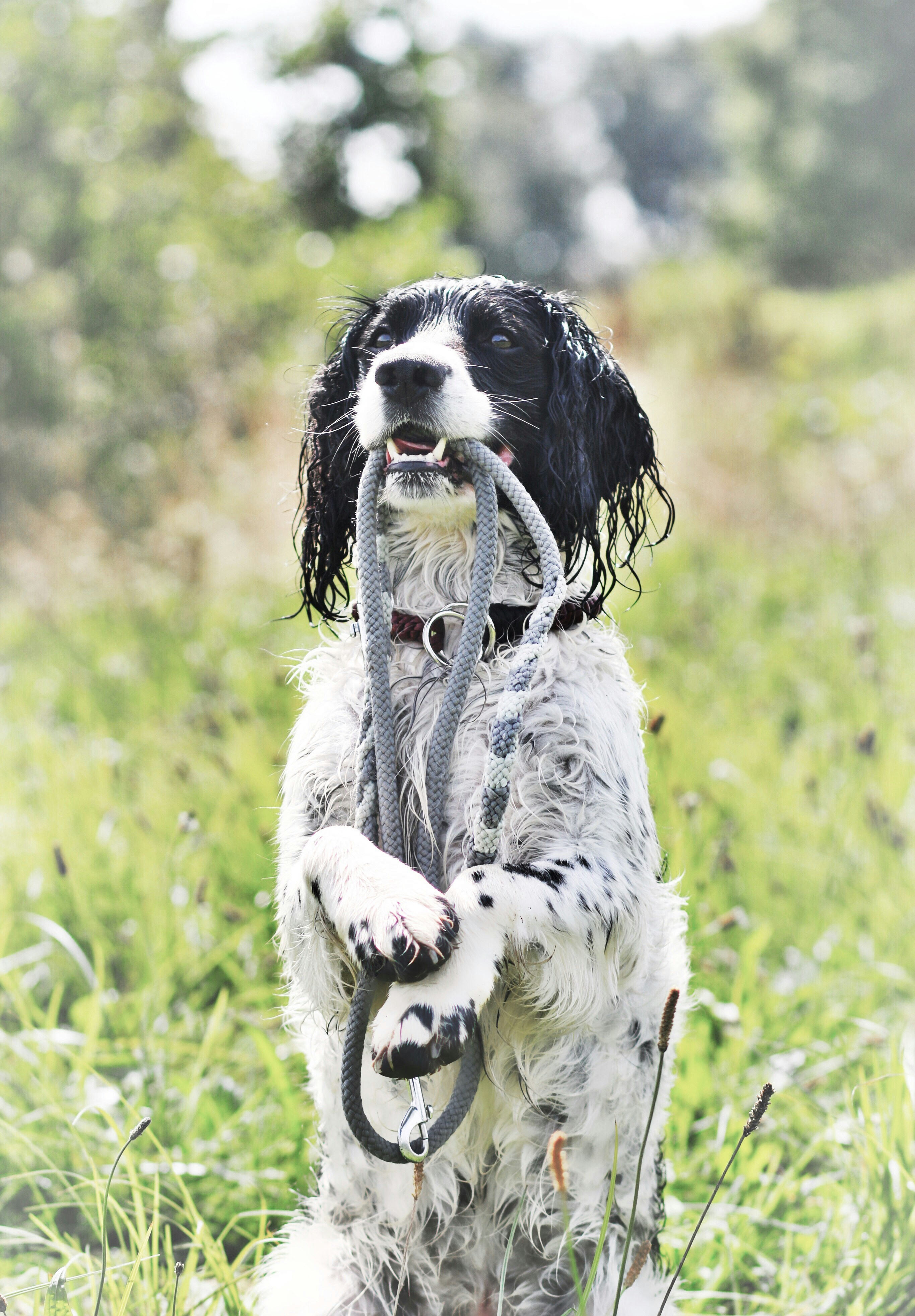
Leash pulling is the number one complaint I hear from dog owners, and I completely understand why. What should be an enjoyable daily walk turns into a tug-of-war that leaves your shoulder aching, your dog gasping against their collar, and both of you frustrated. The walk becomes something you dread instead of something you look forward to — and that's a problem, because daily walks are one of the most important things you can do for your dog's physical and mental health.
The good news is that leash pulling is very fixable. It takes consistency, patience, and the right approach, but most dogs can learn to walk politely within two to four weeks of dedicated practice. I've trained dogs of all breeds and ages to walk nicely on leash, including plenty of Labrador Retrieverswho thought their life's purpose was to reach the end of the block as fast as physically possible.
Why Dogs Pull in the First Place
Understanding why your dog pulls is the first step toward fixing it. The answer is deceptively simple: pulling works. Every time your dog pulls forward and you follow, they learn that pulling gets them where they want to go. It's not dominance, it's not defiance, and it's not your dog being "bad." It's basic reinforcement — behavior that gets rewarded gets repeated.
Dogs also move faster than humans naturally. Their comfortable walking pace is significantly quicker than ours, so walking at our speed feels artificially slow to them. Add in the fact that the outdoor world is an explosion of exciting smells, sights, sounds, and other dogs, and you've got a recipe for a dog who is desperate to get everywhere as fast as possible.
The key insight is this: your dog isn't trying to control you. They're simply doing what has worked every time before. To change the behavior, you need to change what "works" from their perspective.
The Positive Reinforcement Method That Actually Works
There are lots of leash training techniques out there, but the one I've found most effective and most sustainable is the "be a tree" method combined with reward-based engagement. Here's exactly how it works:
Step 1: Be a Tree
The moment your dog hits the end of the leash and it goes taut, stop walking. Plant your feet and stand still like a tree. Don't jerk the leash, don't say anything, don't pull back. Just stop. Wait for your dog to turn back toward you, take a step in your direction, or create any slack in the leash. The instant there's slack, mark the moment with a "yes" and start walking again.
The first few walks using this method will be painfully slow. You might cover half a block in 20 minutes. That's okay. You're teaching your dog a new rule: tight leash means we stop, loose leash means we go. It takes repetition, but dogs are smart — they figure out the pattern quickly once you're consistent.
Step 2: Reward the Position You Want
Don't just stop pulling — actively reward walking nicely. Every few steps that your dog walks with a loose leash, mark with "yes" and deliver a small treat at your side (the side you want them to walk on). You're building a habit of checking in with you and staying in position, not just avoiding the negative consequence of stopping.
High-value treats make a huge difference here. Regular kibble won't compete with a squirrel or another dog. Use small pieces of cheese, hot dog, or freeze-dried liver — something your dog genuinely cares about. Over time, you'll gradually reduce the treats as the loose-leash habit becomes automatic, but in the early stages, reward generously.
Step 3: Add Direction Changes
Once your dog understands the basic stop-and-go concept, add unpredictable direction changes to your walks. When your dog starts to forge ahead, simply turn and walk the other direction. Don't warn them, don't jerk — just smoothly change direction. When they catch up and walk beside you, reward. This teaches your dog to pay attention to where you're going rather than charging ahead on autopilot.
Equipment That Helps (and What to Avoid)
The right equipment won't train your dog by itself, but it can make the training process significantly easier and more comfortable for both of you.
A standard fixed-length leash is essential. I recommend a PetSafe 6-foot nylon leash— it's simple, durable, comfortable to hold, and gives you consistent control. Six feet is the ideal length: enough slack for your dog to have some freedom but short enough that you can communicate through the leash. Avoid retractable leashes entirely during training. They teach dogs the exact opposite of what you want — that pulling extends the leash and gets them more room to roam.
A front-clip harness is the single best training aid for pullers. Unlike a collar, which puts all the pressure on your dog's neck, a harness distributes force across the chest and shoulders. A front-clip design (where the leash attaches at the dog's chest) gently redirects your dog toward you when they pull, making it physically harder for them to forge straight ahead. The Rabbitgoo No-Pull Harnessis our top pick — it's affordable, adjustable at four points for a custom fit, and has both front and back clip options so you can transition to a back clip once your dog walks reliably.
For our complete equipment roundups, check out our best dog leashes guide and best dog harnesses guide.
What to Avoid
Choke chains, prong collars, and shock collars work through pain and intimidation. While they may suppress pulling in the short term, they don't teach your dog what you actually want them to do, and they carry real risks — tracheal damage, neck injuries, increased anxiety, and potential aggression triggered by pain association. Every major veterinary behavioral organization recommends against aversive training tools. You can achieve better, more lasting results with a front-clip harness and positive reinforcement, without any of the downsides.
Common Mistakes That Slow Progress
Even owners with the right intentions often undermine their own training without realizing it. Here are the mistakes I see most frequently:
- Inconsistency. This is the biggest one. If you use the "be a tree" method on Tuesday but let your dog pull on Wednesday because you're running late, you're teaching your dog that sometimes pulling works. And intermittent reinforcement is the hardest type of behavior to extinguish. Every walk needs to follow the same rules, every time, from every family member who walks the dog.
- Walking when frustrated. If you're already in a bad mood, don't try a training walk. Your tension travels down the leash. Dogs are incredibly attuned to your emotional state, and a tense, jerky handler makes for a tense, reactive dog. Keep training sessions positive.
- Expecting overnight results. Your dog has been pulling successfully for months or years. That habit won't disappear in a single walk. Set realistic expectations — most dogs show noticeable improvement within a week of consistent practice, but reliable loose-leash walking takes two to four weeks of daily work.
- Starting in high-distraction environments. Don't begin training on a busy street with dogs, people, and squirrels everywhere. Start in your backyard or a quiet hallway. Once your dog can walk nicely in a boring environment, gradually introduce more distractions. This is called "proofing," and it's essential for real-world reliability.
- Using the wrong leash length. A leash shorter than four feet doesn't give your dog any room to succeed, and a leash longer than six feet gives them too much room to build momentum before hitting the end. Six feet is the sweet spot.
Structured Walk Training: Putting It All Together
Here's what a typical training walk looks like once you've got the basics down:
Start at your front door. Ask your dog to sit before you open the door — this sets the tone that leaving the house is calm and controlled, not a mad sprint. Walk at a steady pace. Every three to five steps of loose leash, mark and reward. When the leash goes tight, stop immediately and wait. When your dog checks in with you (looks back, returns to your side), mark and reward, then continue.
Mix in direction changes every few minutes to keep your dog engaged and attentive. Occasionally stop and ask for a sit, then reward and continue. These "check-ins" build a pattern of your dog looking to you for guidance rather than charging ahead independently.
After 10 to 15 minutes of structured walking, give your dog a "free" cue and let them sniff, explore, and be a dog on a looser leash. This is their reward for the structured portion. Then re-engage for another structured segment. Alternating between structured walking and free time keeps your dog motivated and makes the walk enjoyable for both of you.
Final Thoughts
Leash pulling is one of the most common dog behavior issues, but it's also one of the most solvable. The formula is straightforward: use a front-clip harness to manage the behavior, apply the "be a tree" method consistently, reward the position you want generously, and be patient. Most dogs who have been pulling for years can learn to walk nicely within a month of dedicated practice.
The investment is worth it. A dog who walks nicely on leash gets walked more often, which means more exercise, more mental stimulation, and a happier, healthier life. It also means walks become something you genuinely enjoy again — a chance to spend quality time with your dog instead of wrestling with them for 30 minutes. Start today, stay consistent, and you'll be amazed at how quickly things change.